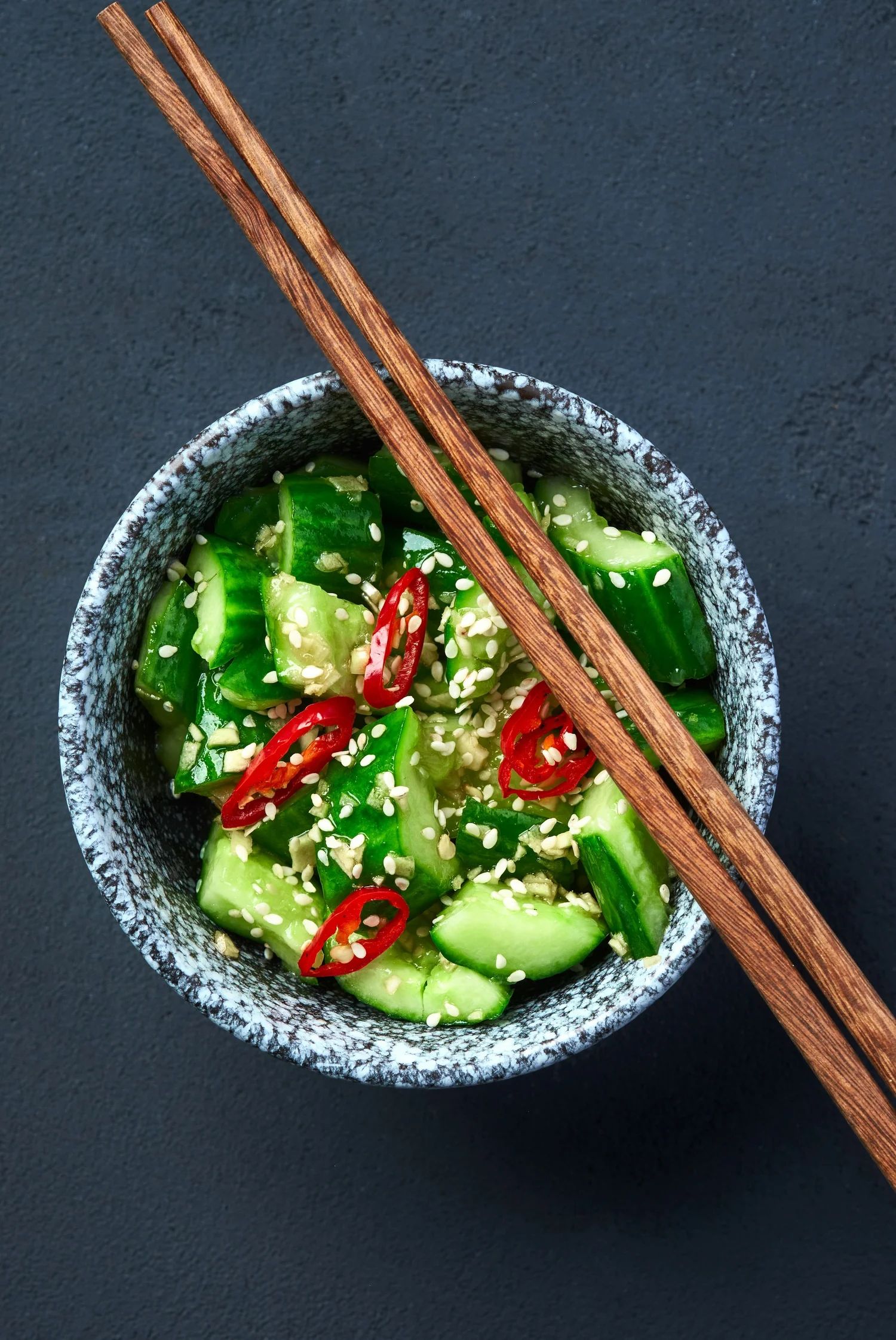

The Results for the 3rd Annual USI Vinegar Competition are out!
Congratulations to all participants, especially this year’s medal winners for their outstanding products.
Don’t miss out! Explore all the incredible brands that wowed our tastebuds this year.
Check out the link below to see the full list of winners and their amazing Vinegars!

3rd Annual USI Olive Oil Competition
June 5th 2026
The only international olive oil competition where all the judge are real trade buyers. Judging the olive oil by category and price. Open to all commercially produced olive oils around the world. The olive oil does not have to be sold in the United States. Held at the same time as the USI Vinegar Competition and you may ship your olive oil and vinegar samples together to the competition

Enter Your Beer to the 12th Annual Berlin International Beer Competition March 6th 2026
Only Real Trade Buyers From Around Europe Judging The Beers & Ciders & Hard Seltzers By Category & Price. Open To All Commercially Produced Beers, Ciders and Hard Seltzer From Around The World Top Winners Showcased At Our Booth At Prowein March 2026.

2nd Annual USI Chocolate Competition
May 29th 2026
The only international chocolate competition where all the judge are real trade buyers. Judging the chocolate by category and price. Open to all commercially produced chocolate products from around the world. The chocolate does not have to be sold in the United States.




Latest Posts
No posts








The Vinegar Professor
Thank you for taking this journey with us as we want this to be the class you always wanted to take! We started this as a collaborative effort of passionate people with a few professional writers mixed in to keep us honest. We launched this site to be informative for the trade and the consumer who strives to know more about the wonderful world of Vinegar. More importantly, we write articles about topics we care about and that we would want to share with our friends and fellow Vinegar lovers. So please feel free to contact us with any new topics or trends or products you are seeing.

Gather Around Kay Chun’s Table
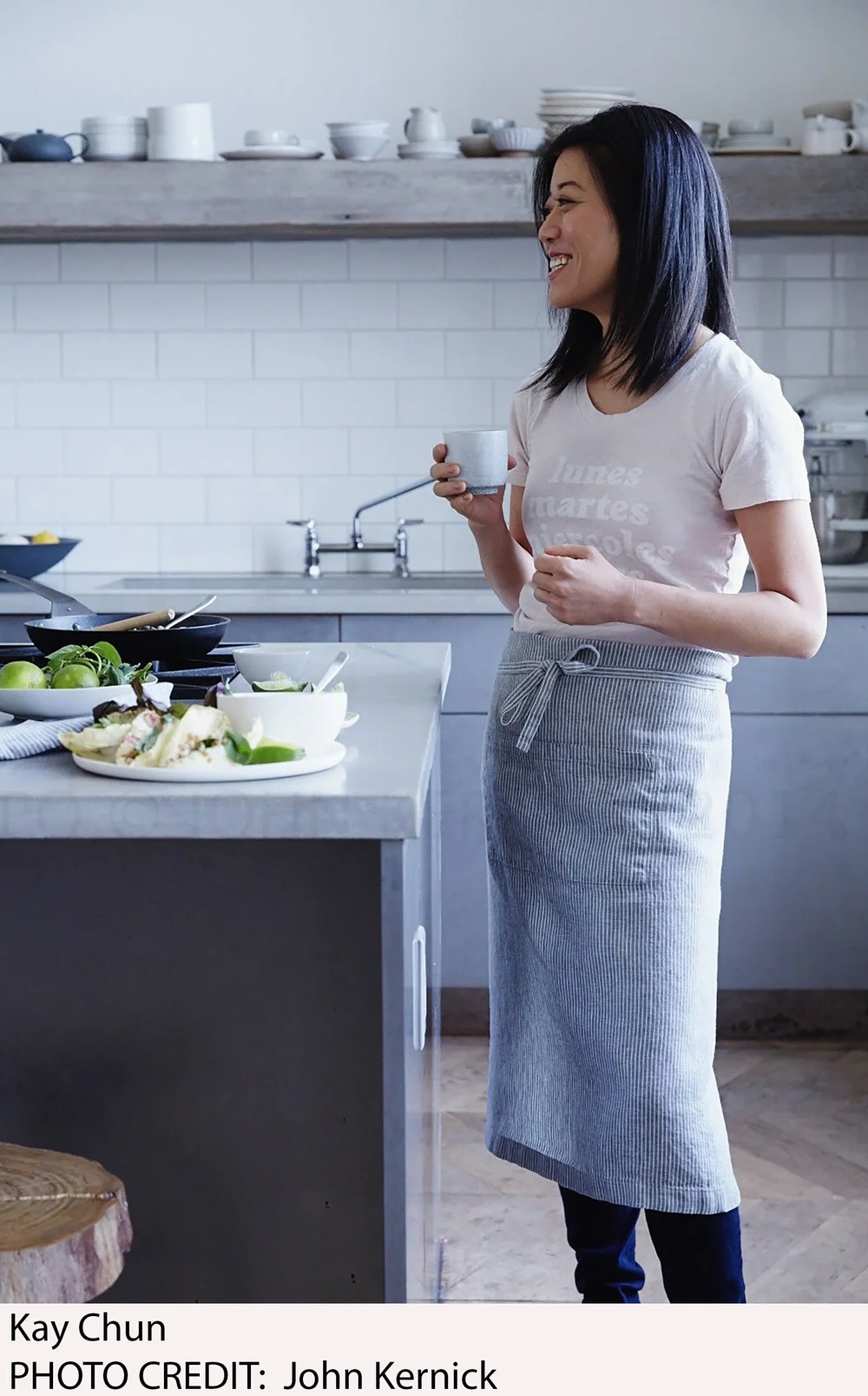
Kay Chun is a native New Yorker whose Korean culinary heritage has been central to her career as chef/owner of Share in the East Village and as a regular contributor to the New York Times Cooking site. But as globally minded a cook as she is, her vinegar consumption is predominantly white distilled, at least in her new book, Gather Around My Table. We talked to Chun about her vinegar-y recipes, from subtle additions that balance sweet and spicy to sharpening soups and sauces.
Why is white distilled vinegar your go-to?!
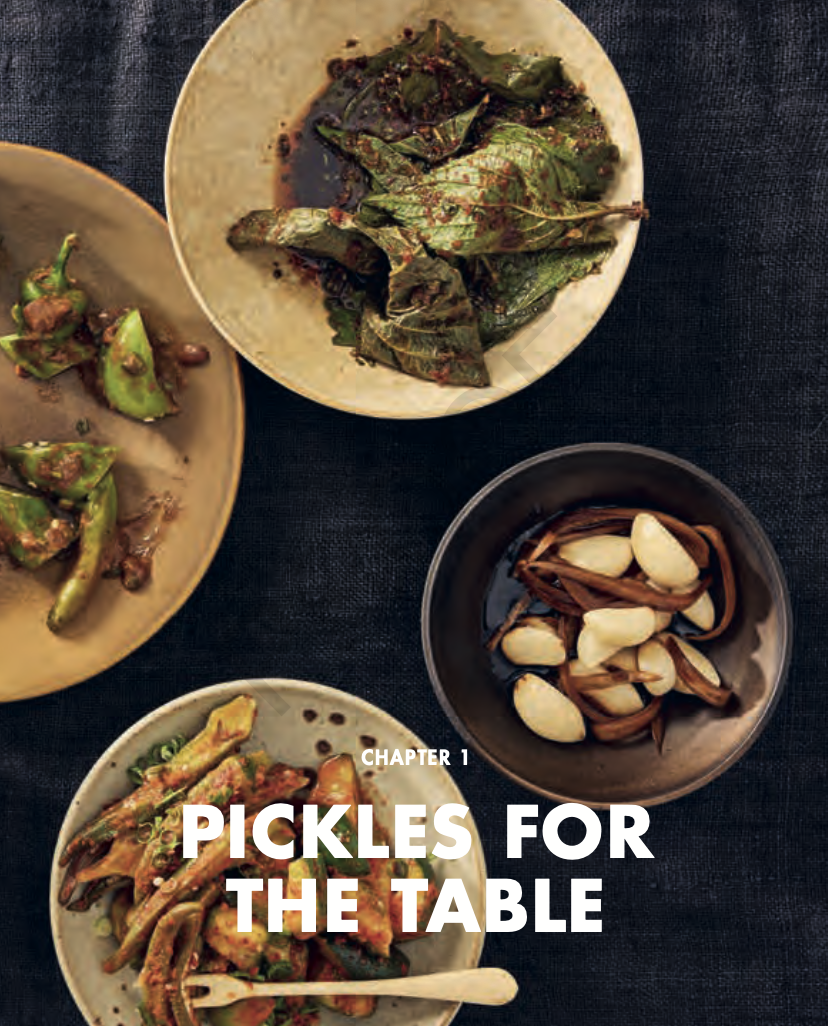
Honestly, it’s my favorite vinegar. I know it’s low-brow, super basic; I feel like it has the cleanest flavor, gives you the acid that you want without anything else, and allows everything else to come through. My mom used a lot of rice vinegar, which compliments Korean food really well, but when I cook for myself, style of food, it’s always white distilled. It’s the most accessible.
But you do use other vinegars sometimes, right?
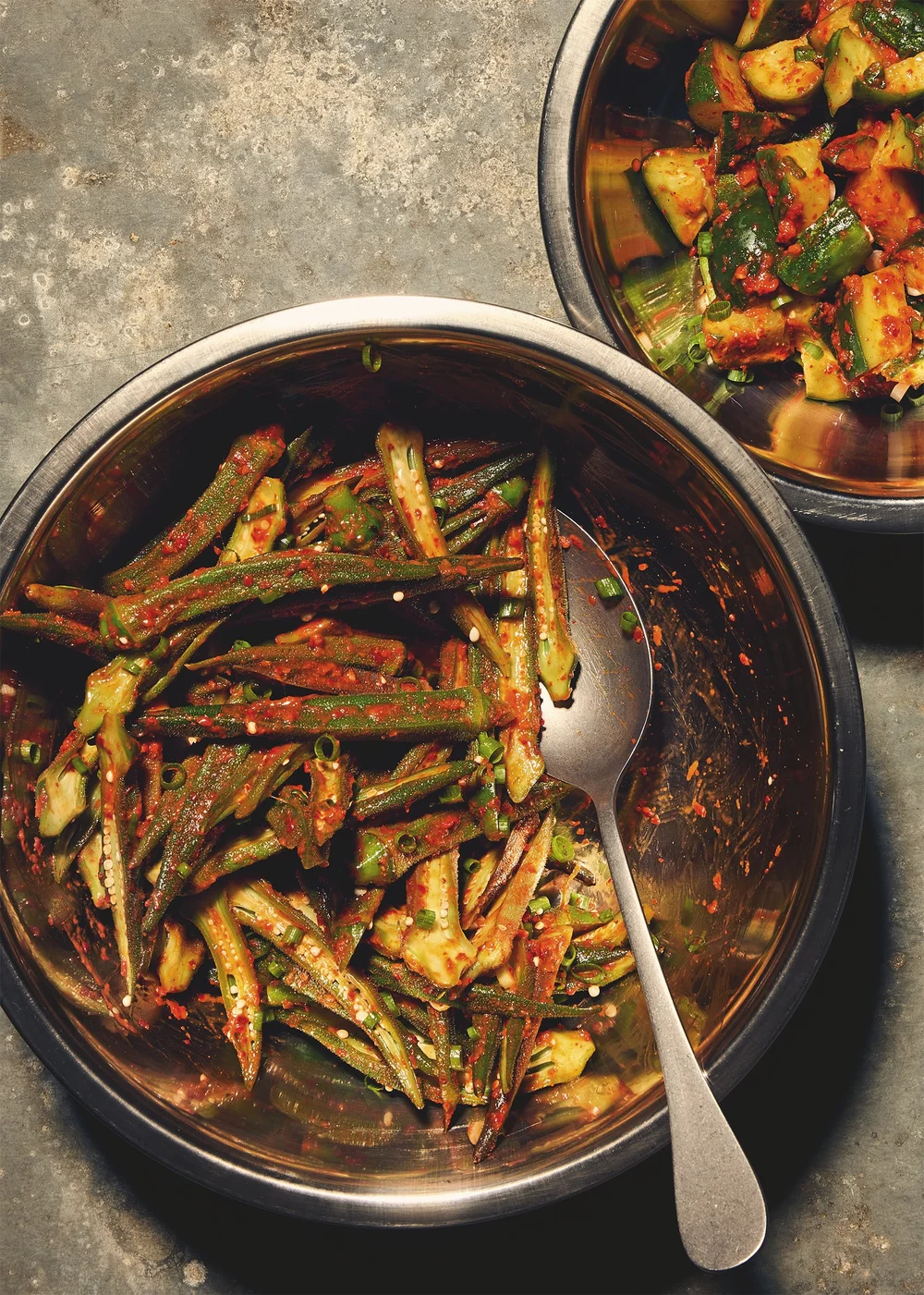
Quick Okra Kimchi
I think I use rice vinegar in my okra kimchi — I always use the unseasoned (rice vinegar). It has a subtle sweetness, and I think it really balances all the spice (gochugaru) in the kimchi. You don’t have to use just one (acid); I think layering them is really effective. Kimchi has that light vinegary flavor (from lacto-fermentation), but it needs that pop from bright vinegar; they work well together. If vinegar is giving me the acid flavor, not the pop, I’ll add fresh lemon or lime juice. Layering brings more to the table and rounds everything out.
Of all your pickles you have in your book (e.g., Caraway-and-Soy Pickled Garlic, Quick Okra Kimchi, White Kimchi Giardiniera), I’m most intrigued by the Star Anise Pickled Peanuts — tell me more about them.
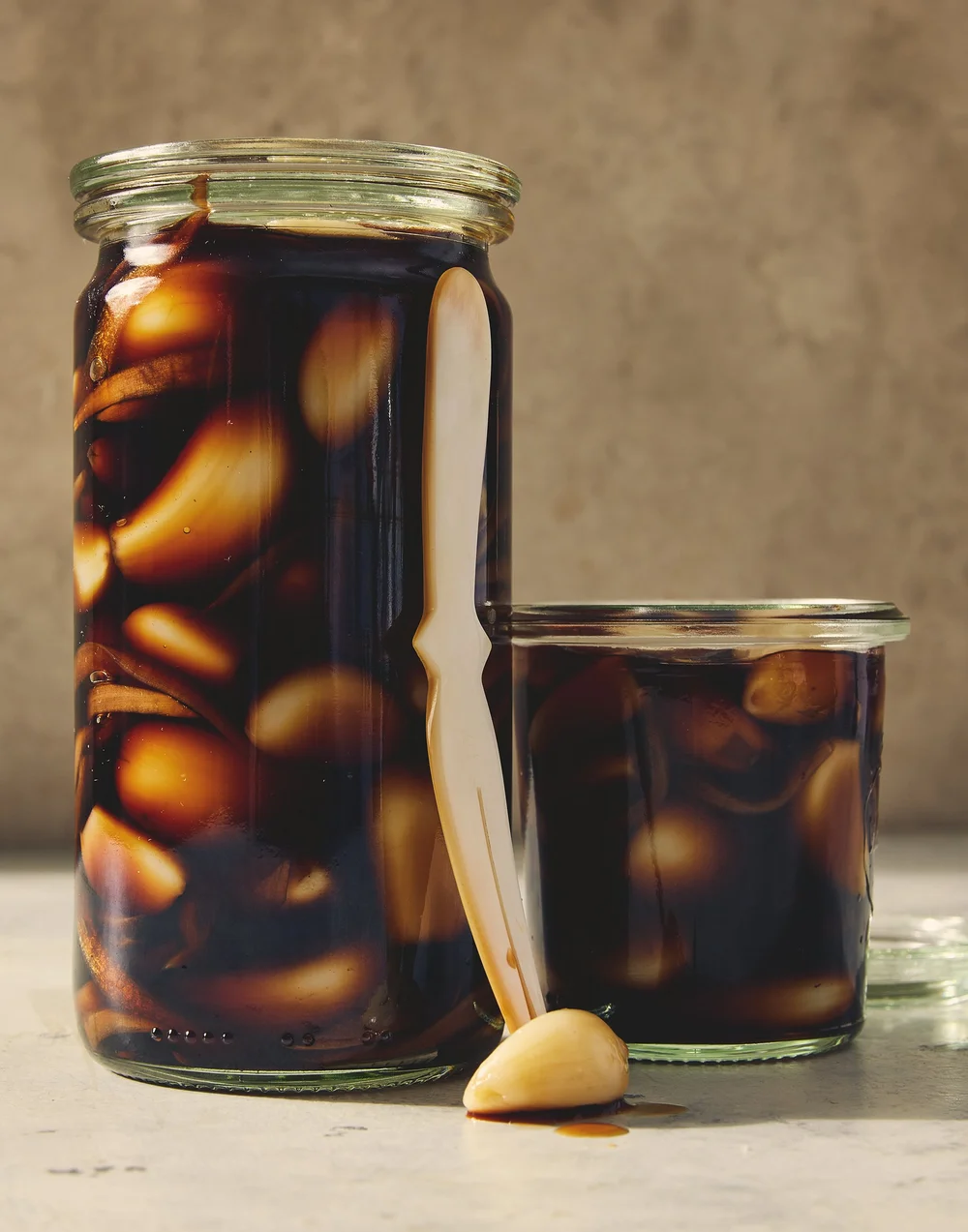
Caraway and Soy Pickled Garlic
Honestly, I kind of just made it up; it was more of a textural inspiration from the Southern peanuts I was searching for. I’ve had the Chinese version of those peanuts; I wanted to infuse them with different spices. I also love using soy sauce and infusing them with star anise, cinnamon …
How does soy sauce interact with vinegar?
The soy sauce and distilled white vinegar are such a great combo — vinegar brightens the soy sauce. In my Tangy Dipping Sauce, I’ve tried rice vinegar and apple cider vinegar, but they (both) infused too much of their own flavor and altered the soy. Super clean acid is what I wanted. It’s more of an all-purpose dipping sauce which can go with a lot of different things: dumplings, drizzle it over rice, stir-fries, vegetables …
Don’t you put vinegar in your Double Allium Pork Dumplings?
It’s probably one of the only times I would put vinegar in a dumpling mix. I steered away from soy or vinegar in the dumpling mix, but it (the vinegar) seasoned it (the meat) as it sat there. Pork could be a little heavy; vinegar makes the whole thing lighter and brighter.
I love how vinegar brings the heat in your Habanero Hot Soy Sauce. How much is in there?
You do need the acid. It doesn’t need a lot. It needs a lift. Again, using the white vinegar, but adding sugar here: turbinado (1 ½ teaspoons to ¼ cup low-sodium soy sauce) — it’s a flavor thing. I didn’t want it to go in any direction other than bright. Turbinado adds sweetness; it’s not cloying, and it’s only a tablespoon (of white distilled vinegar) there to anchor it.
This sounds similar to how you balance your Grated Tomato-Shallot Vinaigrette
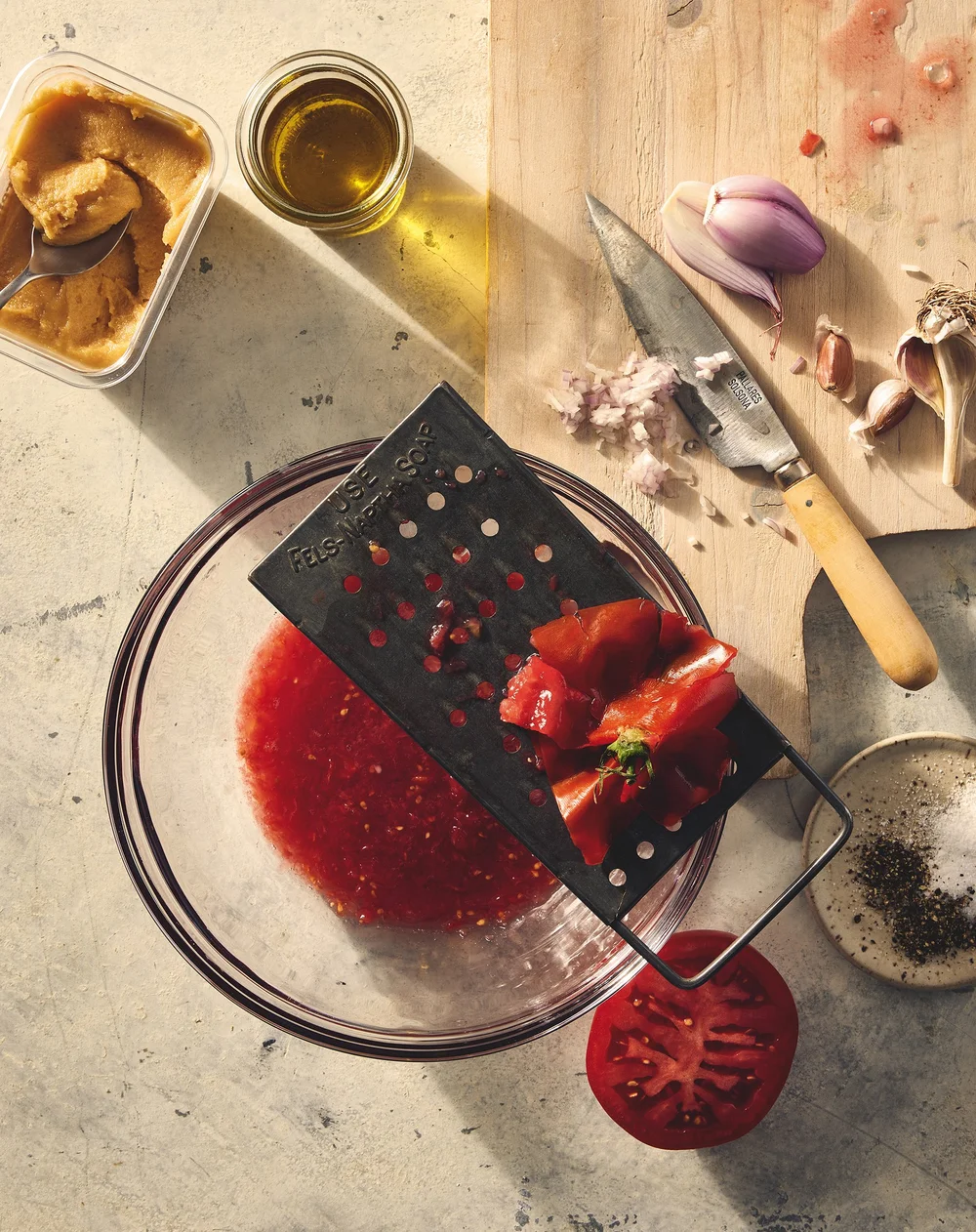
Grated Tomato-Shallot Vinaigrette
The vinegar works really well with miso; it’s bringing its own sweetness, and I didn’t want to add any more. Tomato, bringing its own acid, I didn’t want to mask that; I wanted to augment it.
Augment is such a great word for how acetic acid adds to a dish without overpowering it. What other recipes illustrate that?
Chilly Chewy Noodles in Tangy Tomato Broth is all about the broth — super tart and vinegary, it needed that extra push. Tomatoes aren’t classic or traditional (in this dish). The original way to make this is with kimchi brine and beef broth; tomato juice gives you that tang, and then again that white vinegar augments that tomato without overtaking.
But a dish like Black-Eyed Peas with Doenjang and Hot Chilies needs a bigger boost, right?
Doenjang and peas have rich, earthy flavors, very deep, and need that acid to brighten and let them shine.
Or how your Swordfish with Seaweed Chimichurri uses vinegar as part of the sauce to pair with a dish
I’m very obsessed with seaweed: it’s one of my favorite things to eat. It seemed like a natural pairing for the dish. I try to use it a lot, and love the texture. Swordfish is such a meaty dish; something chewy in the sauce is a nice complement, and that briny marine flavor brings out all that fishiness in a positive way. I think white distilled vinegar here is an underdog, a superstar.

Whole Foods’ Finest Vinegars

Without proximity to Whole Foods I often feel incomplete. I know it’s a privilege to have it near, and don’t really utilize it for big shops, instead I use the giant gourmet supermarket as a bigger, better bodega — caveat: I live in Brooklyn — filled with the finest pantry items to fill a larder or cook a quick impromptu meal if you’re missing that one (sometimes esoteric) ingredient. That said, it’s also become my go-to grocer for the little things; at $750 billion in sales over the past year, across 500 stores in 45 States, it may as well have the vastest array of vinegars in my general vicinity.
If you’re looking for that absolutely necessary vinegar that makes or breaks a dish, here’s a list of those brands and bottles to look for:
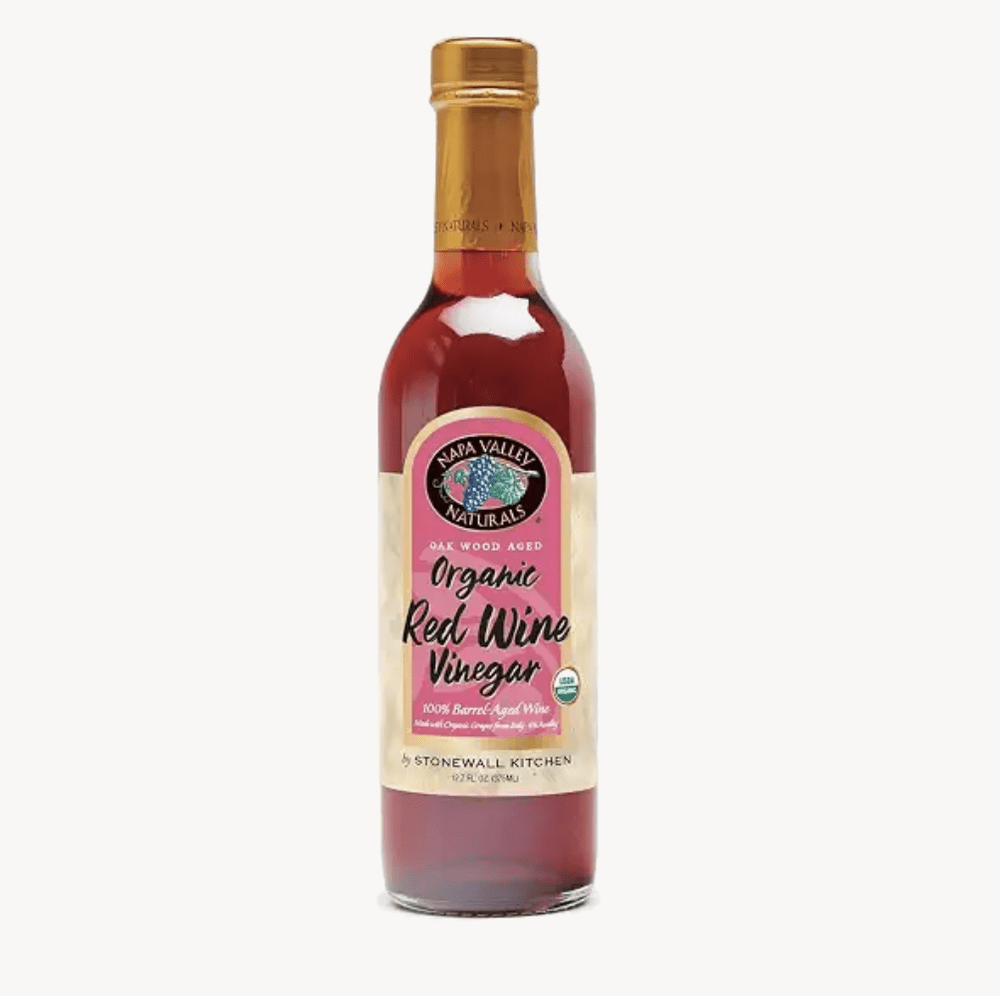
Napa Valley Naturals
Napa Valley Naturals started as a small farmers market stand in Northern California’s wine country in the early 1990s, and now part of Stonewall Kitchen, still providing premium wine vinegars for all occasions: red, white and champagne! Their Organic Red Wine Vinegar is broad and bright, with just enough barrel-age to make it feel so Napa. It’s versatile enough to use lightly on salads, and deeply in dark braises, while still retaining its body. Their White Wine Vinegar is verdant, with a tickle of tropical fruit notes on the nose. I use it to break butter sauces and even for quick pickling. Whereas their Champagne offers a little spritz that’s ideal for dressing up an oyster, alongside a real glass of champagne of course!
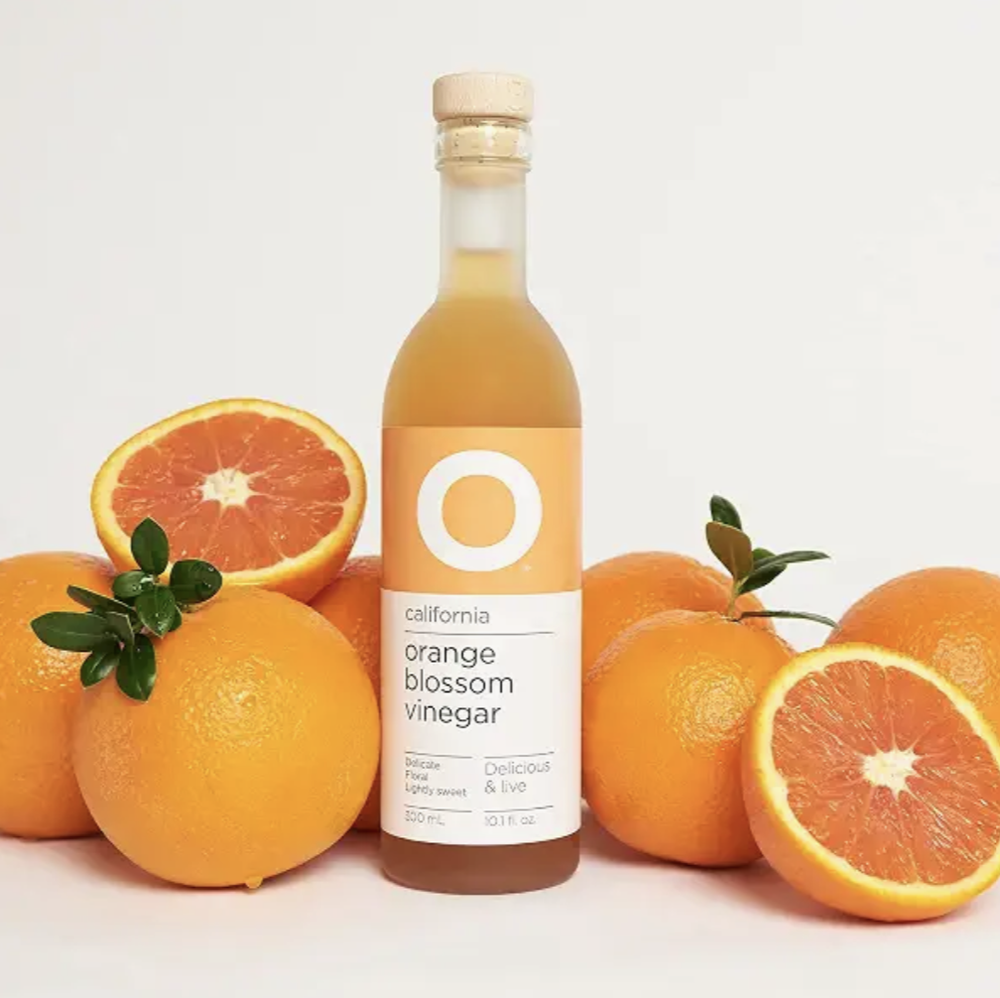
O Orange Blossom
O Olive Oil & Vinegars started co-crushing olives, fruits and herbs in California’s Yolo Country in the mid-90s, which eventually crossed over into a line of crushable vinegars. Citrus Champagne pairs well with soft cheeses and salads, while an Orange Blossom Champagne is a bit more plush while still highlighting California’s sunny citrus with a slightly sweeter and more fragrant appeal. Raspberry Champagne sips like a celebration (see: Kir Royale): try it in a glass of sparkling water. Yuzu Rice Vinegar, made with the tart grapefruit-y Japanese citrus, is excellent for making rice, but also on cooked (and raw) fish preparations.
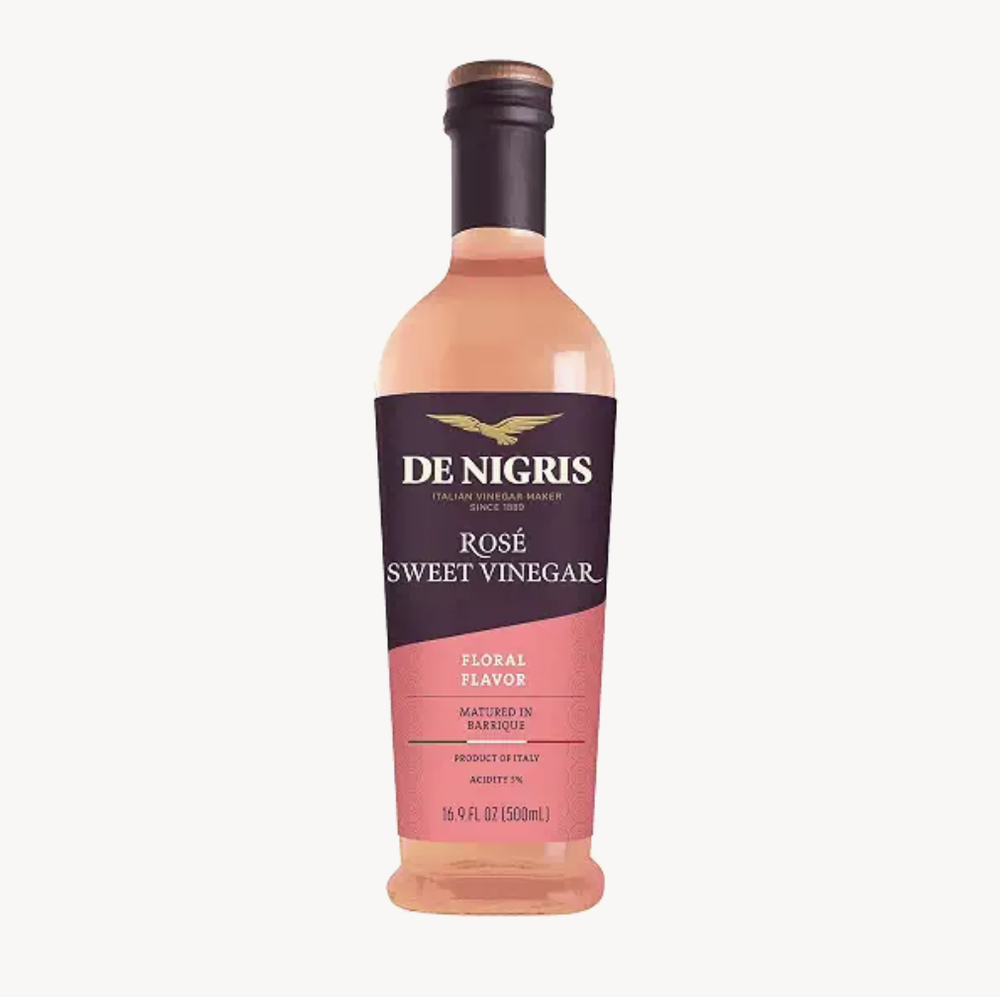
DeNigris Rose
At 135 years old, DeNigris abides by many of traditional balsamic practices, but I love their floral Sweet Rosé Vinegar, an Italian condiment made of Ancellotta grapes and aged in oak barrels for up to three years. It’s my favorite for marinating fruit (e.g. berries), or a beautiful boost for a tomato soup!
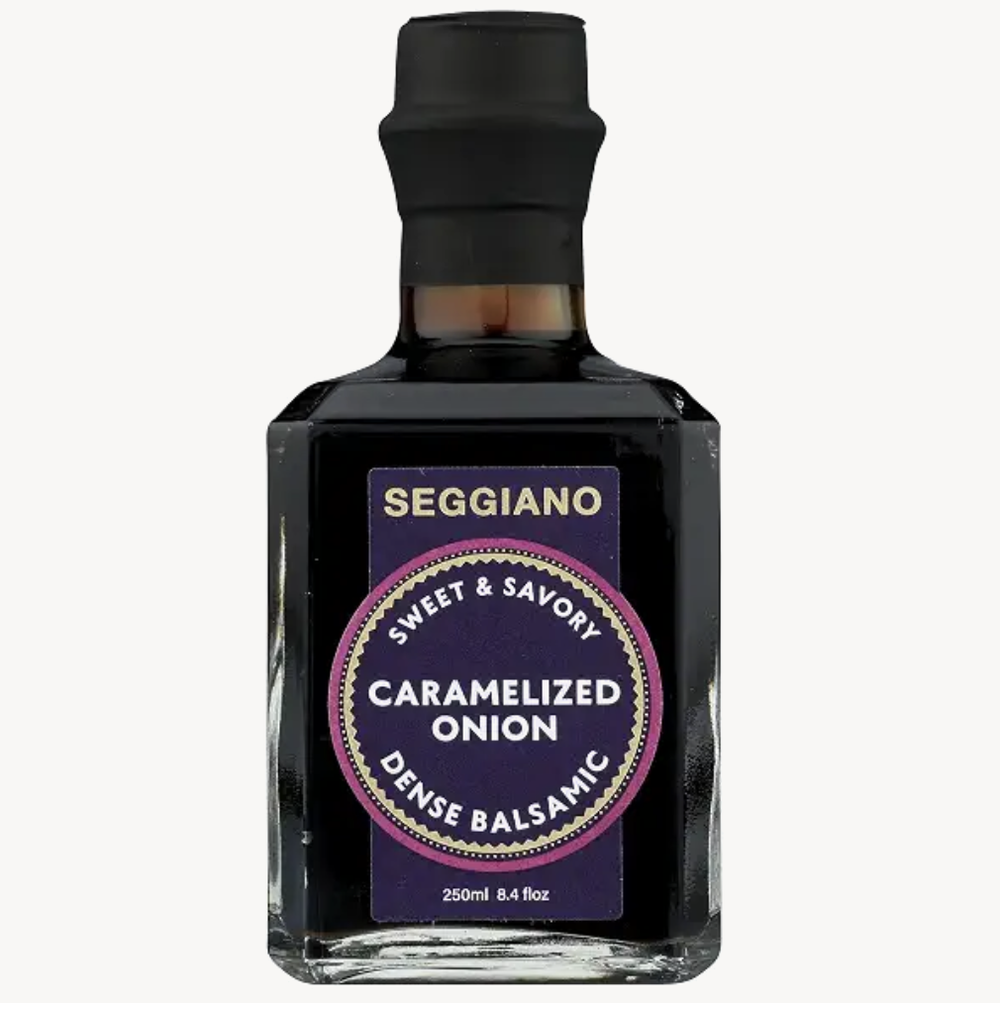
Seggiano Carmelized Onion Balsamic
There are many balsamic vinegars to choose from, be it Fini, Lucini and Monari … but lately I’ve opted for Seggiano’s Caramelized Onion Balsamic, which is dense, dark, sweet and savory. It’s a perfect condiment on top of or on the side of steak — or even as a marinade before cooking one! As an alternative, try their not so cloying White Balsamic, which uses the same lambrusco grapes from Modena, for a light and refreshing taste without too much residual sugar.
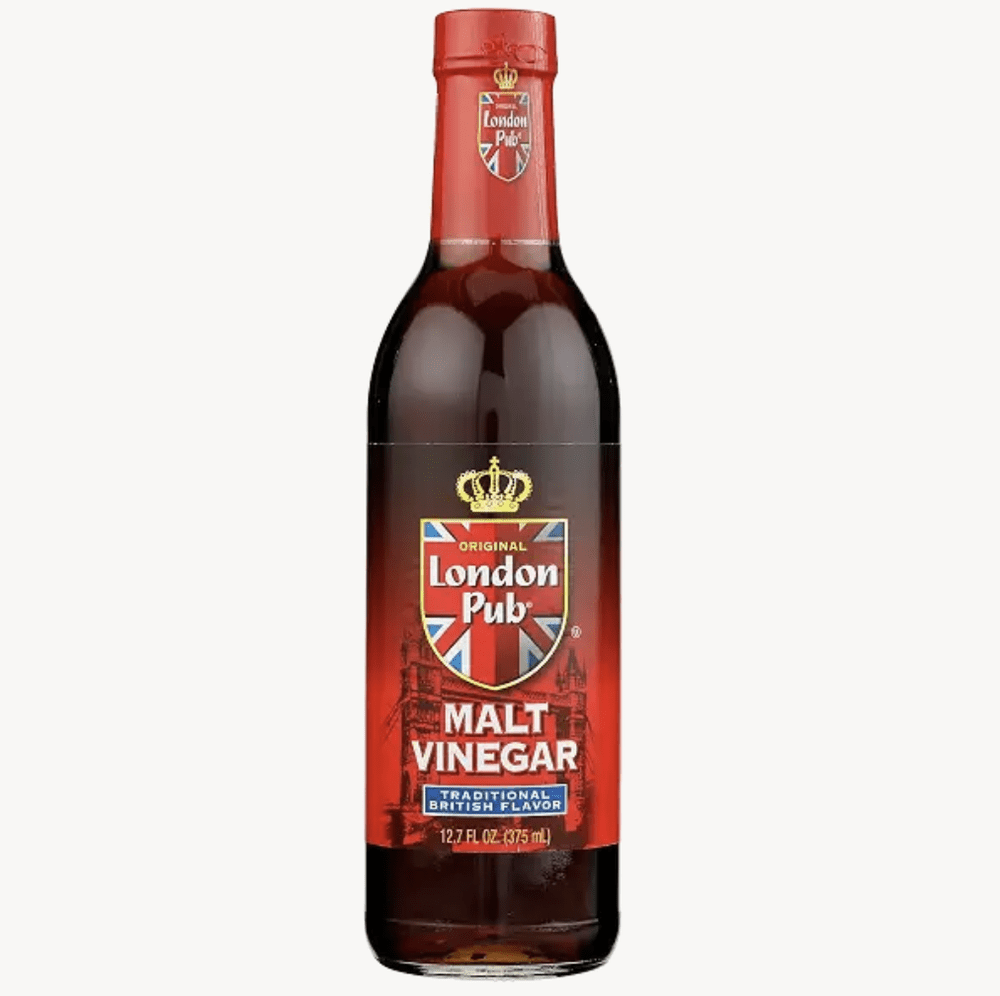
London Pub Malt Viinegar
A fixture of fish & chips, Reese “London Pub” malt vinegar isn’t limited to its British heritage. Try a good glug in a pot of baked beans, to deglaze roasted Brussels sprouts, or even reduce to a thick sticky caramel drizzle for a cake.
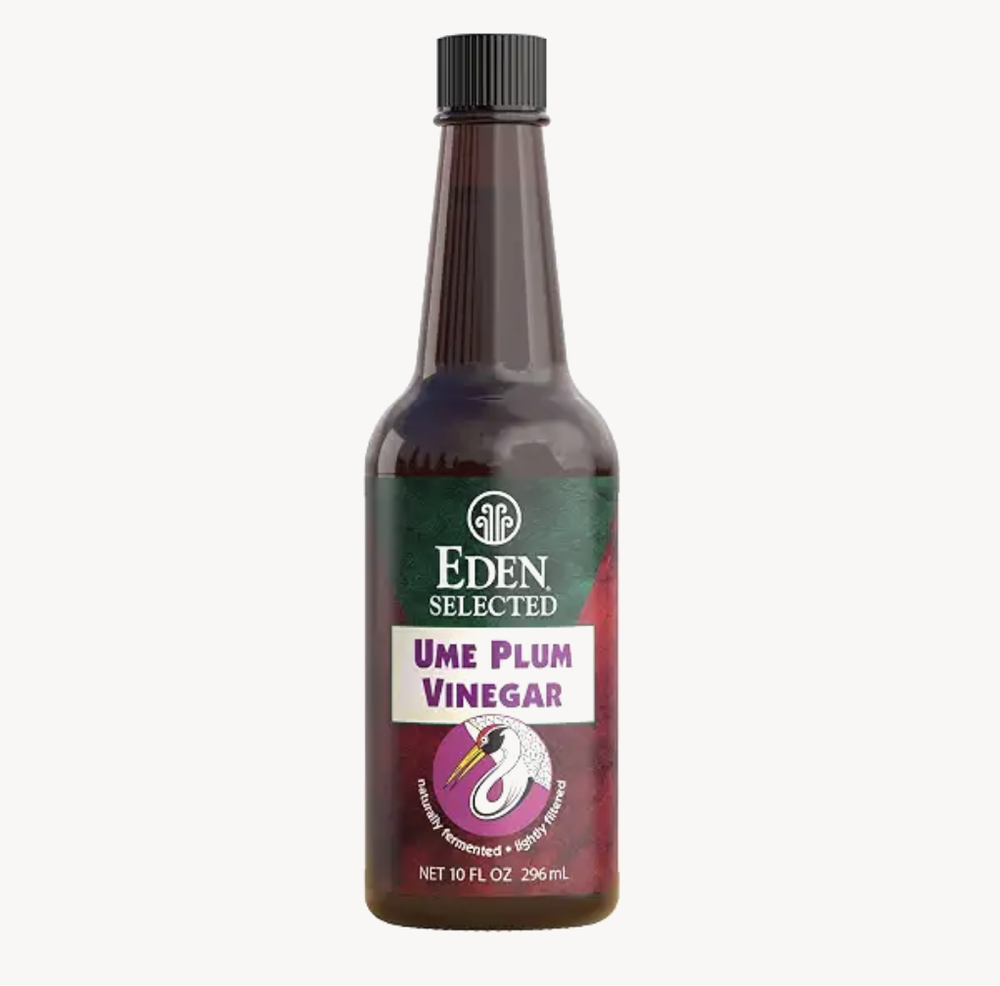
Marukan rice vinegar
There’s got to be everyday staples too, and I prefer Marukan organic rice vinegar as a base vinegar for a variety of things, as a big part of a blend (of vinegars) for pickling liquids, but I also like using Eden’s ume plum vinegar (the leftover brine form pickling ume plums), for a ruby red sprinkle on crisp cabbage slaws and bitter green salads.
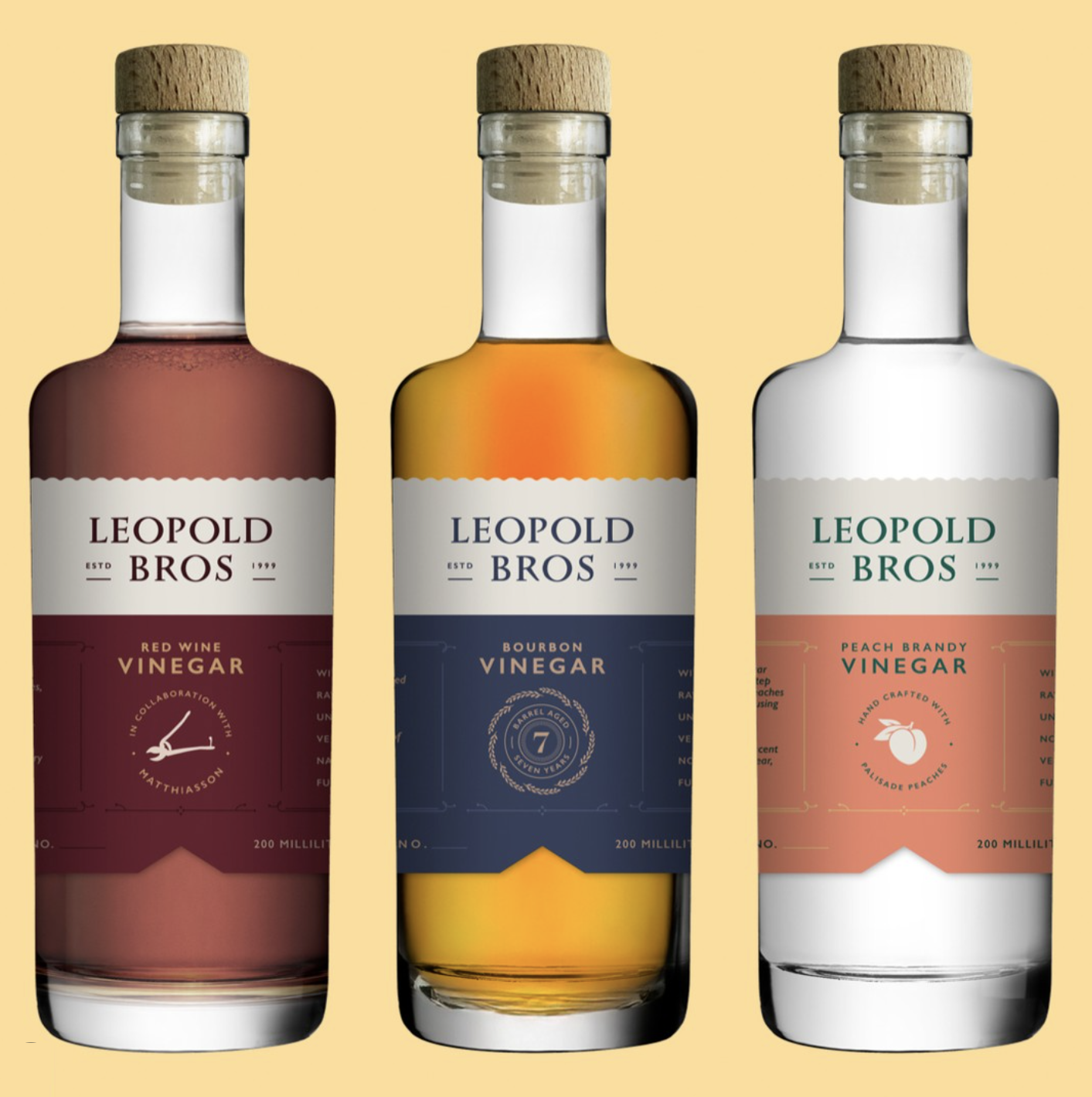
A New Type of Distilled Vinegar: Leopold Bros Brandy and Bourbon Vinegar

Todd & Scott
At the Leopold Bros distillery in Denver, Colorado, brothers Todd and Scott Leopold go to great lengths to create high quality spirits using slow, inefficient, Old-World techniques. And then they dump some of those carefully-made spirits into a big vat filled with bacteria.
This is the process of making their line of vinegars, which are nonalcoholic (and so can be purchased online nationwide) but made from a 7 year old bourbon, a peach brandy, and a red wine. The company launched the vinegars earlier this year.
The Three Chamber Still
Leopold Bros have been making spirits for about 20 years and moved into their current location in 2014. There they embrace several different vintage technologies, including a dunder pit (a storage tank of acidic liquid historically used in Jamaican rum), a floor malting facility (where grains are wetted and hand-raked and then dried, to prepare malted barley traditionally for Scotch whisky), a dunnage-style barrel-aging facility (dirt floors, high humidity, and short stacks of barrels), and a custom-built three chamber still.
That still is an 1800s-era still shaped like a stubby column or a tall oil drum but is functionally more like three pot stills stacked atop each other- and it is one of (if not the only) working one in the entire world. They had the still recreated from old manuscripts, specifically to recreate a lost pre-Prohibition style of American rye whiskey that was (and is again) super floral.
The still project was many years in the making and produced rye whiskies being released at increasing ages as time goes on. (They’re up to nine-year-old aged rye so far.) They’re also using the still to make eau de vie (spirits, usually unaged, made from any fruit) from California pears and Colorado peaches, and probably other fruit soon.
But it turns out that this same style of vintage still used to make their vintage-style rye whiskey was once used to make distilled vinegar, so they decided to give that a try as well.
Distilled Vinegar
Red wine vinegar, apple cider vinegar, malt vinegar, and sherry vinegar are all produced from fermented liquids. Distilled vinegars are not vinegars that have been distilled, but vinegars made from distilled (rather than only fermented) alcohol.
Typically, the bulk distilled white vinegar we see on store shelves is distilled from inexpensive beer made from corn or malted barley, but at Leopold’s they make it from their own carefully distilled products.
Vinegar from the Three Chamber Still
In a video on the Leopold Bros website, Todd Leopold discusses how they started making vinegar. He learned from drink writer Noah Rothbaum that the three chamber-style still was once used to make vinegar many decades ago. (According to Todd Leopold, the ketchup company Heinz used a three chamber still to create its vinegars up until Prohibition in the USA around 1920.) This inspired Todd to look deeper into the history and eventually to recreate this style of vinegar.
He says that using a three chamber still to create vinegar was so common in the 1800s that the IRS had a set of regulations regarding its use. Typically, the still produces high-proof distilled alcohol at something like 65% ABV, but alcohol used to make vinegar is diluted to a much lower ABV before that second bacterial fermentation.
The three chamber stills used for vinegar production had a special water chamber directly attached to their outputs, which would immediately dilute the spirit to 20% ABV. The distiller could then prove to the government that they were making alcohol for vinegar, and not for brandy or whiskey: if the ABV was under a certain percent, they wouldn’t have to pay the higher taxes or be subject to the same laws that they would for beverage alcohol. (There is no need to attach the special water chamber in modern times.)
Slow and Steady
After distilling and diluting, the next step is turning the flavorful spirit alcohol into vinegar, and once again Todd Leopold looked to historic documents to find a unique way to do it.
The Schützenbach process as defined in 1823 is a slow way to turn alcohol into vinegar. A tank is filled with beechwood wood chips that have been infused with acetobacter bacteria. At the distillery they pour alcohol on top, and it slowly drips down through the tank, as oxygen is bubbled up from the bottom. Then over several weeks the bacteria converts all of the alcohol into acetic acid.
The vinegars are then bottled with the mother, unfiltered, with no other additions.
The Range of Vinegars — and How to Use Them
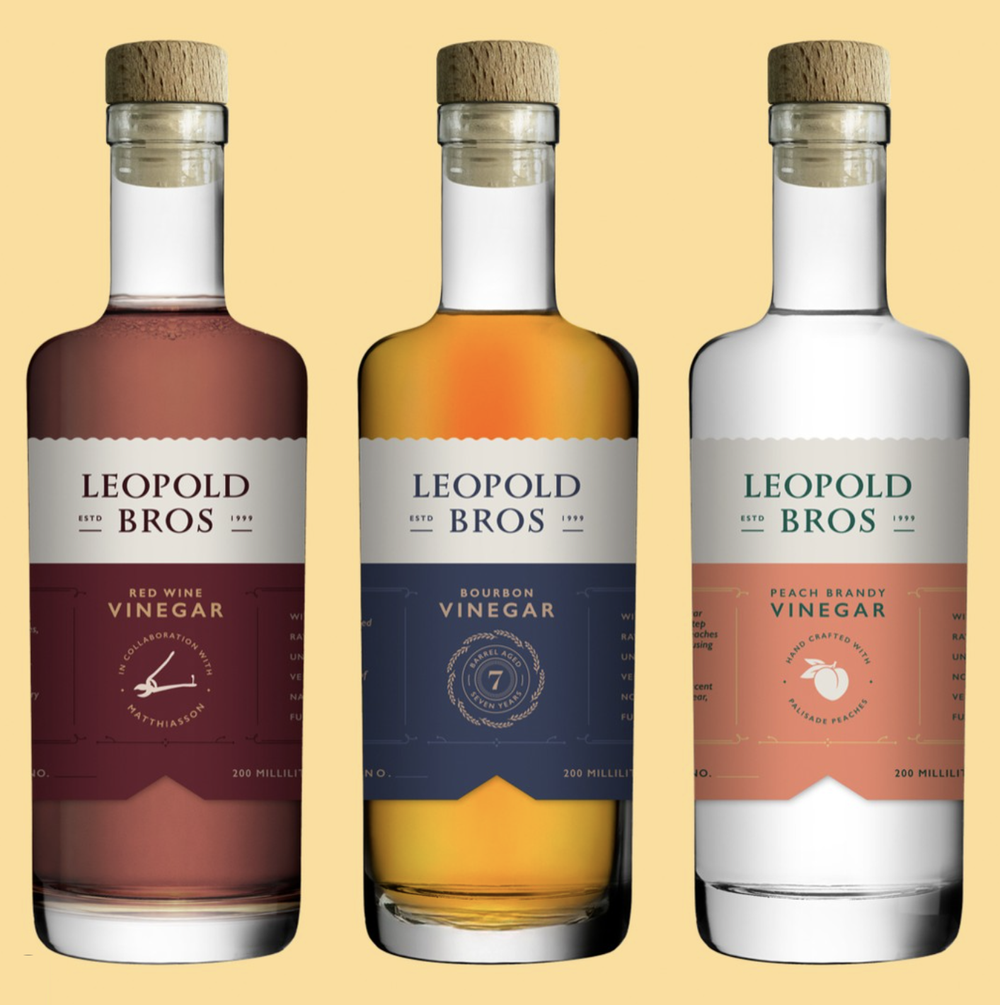
The company is currently selling three vinegars. The first is a 7-year-old bourbon vinegar. The wheated bourbon (made from mostly corn with a touch of wheat), already drinkable on its own at seven years of barrel aging, was dripped through the bacteria-and-beechwood vat, converting all the ethanol into acetic acid.
The website declares, “There have been many types of vinegar created over the centuries, but we believe this is the first bourbon vinegar ever brought to market.”
As to how to use this vinegar in food and beverage, they say it works well in “Carolina-style barbecue and meat marinades, desserts, shrub cocktails, or in a robust vinaigrette.”
The second vinegar is a three-chamber distilled peach brandy vinegar that was inspired by an 1872 pamphlet that Todd Leopold found, describing using brandy to create a more fragrant vinegar than just fruit wine.
This vinegar is suggested to be used “with fresh peaches and burrata, or with soda water for a refreshing spritz.”
The third Leopold Bros vinegar is not a distilled one but made from red wine in a collaboration with Matthiasson wines from Napa Valley. Leopold Bros had previously partnered with Matthiasson on a sweet vermouth. “Try this in salad dressings, or drizzle on potato chips,” they say.
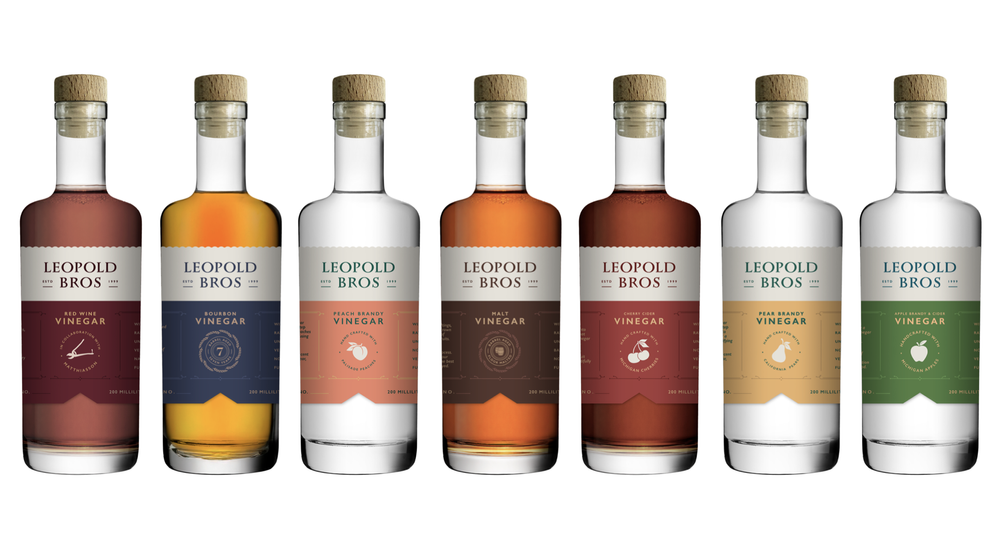
These three vinegars are currently on the market, but the website teases with photo mockups of a malt vinegar, cherry cider vinegar, pear brandy vinegar, and an apple brandy and cider vinegar.
A brand representative said that these future products will go into production later this year and take months to produce. It’s a long process to make this vinegar, and for its fans it’s going to seem like a long wait.